Your Class 1 medical device examples images are available in this site. Class 1 medical device examples are a topic that is being searched for and liked by netizens now. You can Find and Download the Class 1 medical device examples files here. Download all royalty-free vectors.
If you’re searching for class 1 medical device examples images information linked to the class 1 medical device examples keyword, you have pay a visit to the ideal site. Our site frequently provides you with hints for refferencing the maximum quality video and image content, please kindly surf and find more enlightening video articles and images that match your interests.
Class 1 Medical Device Examples. Class II medical devices are those devices that have a moderate to high risk to the patient andor user. Compile the Technical File. Examples are Corrective glasses and frames electrodes for EEG or ECG Stethoscopes for diagnosis External patient support devices such as. Examples include ventilators and intensive care monitoring equipment.
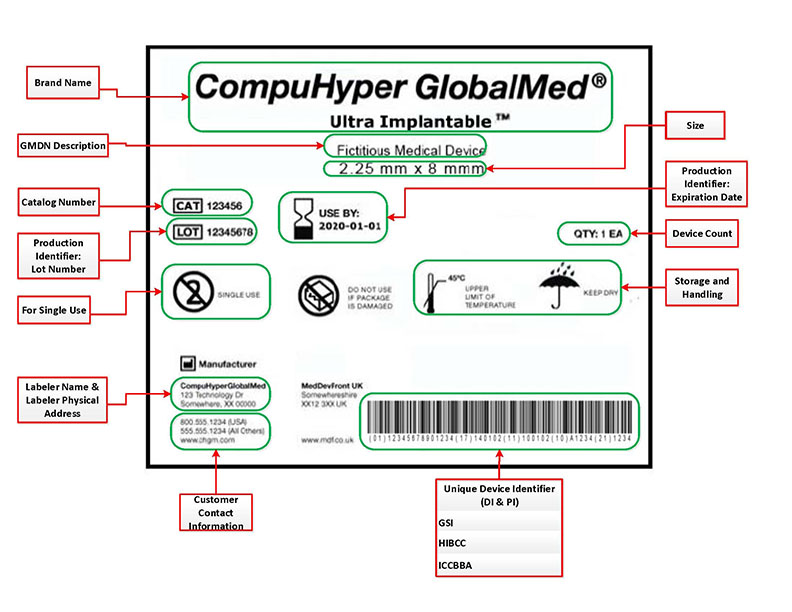 Udi Basics Fda From fda.gov
Unlicensed devices that havent been assessed for their safety effectiveness and quality may pose a health risk to Canadians. Generally speaking class 1 devices have limited contact with patients and their impact on a patients health is slight. Class II medical devices are those devices that have a moderate to high risk to the patient andor user. Class 1 device manufacturers are required to register their device with the FDA however. Examples include balloon catheters prosthetic heart valves pacemakers etc. A Class 1 Devices.
He provides examples of each class and analyses the regulatory and risk implications for each.
Class 1 Image created by Market Business News. They represent about 10 of medical devices and some examples include defibrillators pacemakers breast implants and implanted prosthetics. Some examples of Class II devices include catheters syringes contact lens and pregnancy test kits. Class 1 Image created by Market Business News. In the case of accessories to medical devices despite not being medical devices. You can find this on the MDR 2017745 to be precise Chapter V Section 1 Article 51.
 Source: pinterest.com
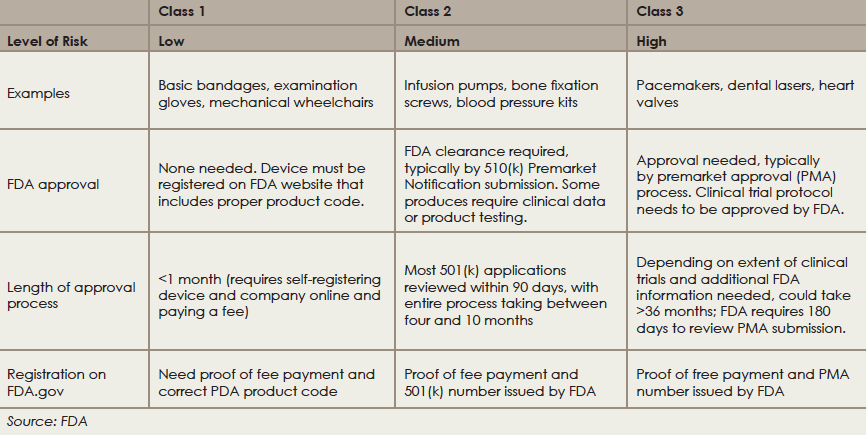
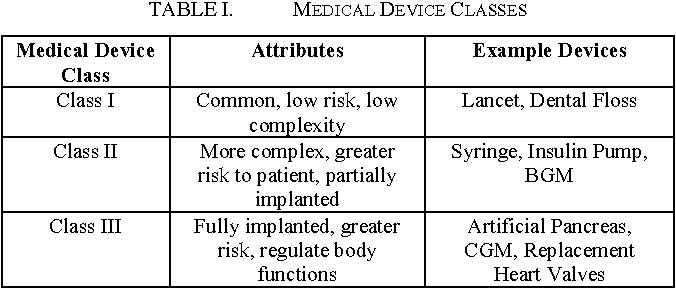
Generally speaking class 1 devices have limited contact with patients and their impact on a patients health is slight. Class 1 devices can be divided into three a Class 1 Devices b Class 1 Sterile Devices c Class 1 Measuring Devices. As we do with drugs medical devices in most countries have to go through a series of review processes before they can enter the marketplace. The US FDA says that there are three classes of devices in healthcare. Class I devices are considered to be at the lowest level of risk of all medical devices and are therefore required to comply with the lowest level of regulatory control.
 Source: enttoday.org
Steps for Class I medical devices compliance. Some examples of Class II devices include catheters syringes contact lens and pregnancy test kits. Compile the Technical File. In this example I learn that my product is a Class II medical device performance standards which means I will need to submit a 510k to FDA prior to getting market clearance. According to the EU MDR 2017745 Article 51 medical devices are classified into I IIa IIb and III considering their intended purposes and their inherent risks.
 Source: iso.org
Class II medical devices have moderate to higher risks to patients or users. Elastic bandages dental floss and enemas. Examples of Class I devices include. These devices help sustain or support life can be implanted andor present potential unreasonable risk of illness or injury. We refer to these types as low-risk devices.
 Source: pinterest.com
Most medical devices are considered Class II devices. Or use our MDR Classification Checklist which helps to guide through all the steps. Based on the class and the rule of the device the technical file and the Notified Body application can be filed. Some examples of Class II devices include catheters syringes contact lens and pregnancy test kits. In the case of accessories to medical devices despite not being medical devices.
 Source: semanticscholar.org
Authorization of medical devices. 47 of approved medical devices are Class 1 and 95 of these devices are exempt from the PMA pathway to regulatory approval. Class 1 devices can be divided into three a Class 1 Devices b Class 1 Sterile Devices c Class 1 Measuring Devices. A Class 1 Devices. The EU MDR 2017745 has 4 main categories for Medical Devices classification.
 Source: nursingtimes.net
Register with the Competent Authority Vigilance and Post Market Surveillance. Class 1 medical devices are devices with low or moderate risk to patient health and safety. Elastic bandages dental floss and enemas. They represent about 10 of medical devices and some examples include defibrillators pacemakers breast implants and implanted prosthetics. In the case of accessories to medical devices despite not being medical devices.
 Source: in.pinterest.com
As per rule 1 Class 1 is the medical devices either do not touch the body part or just touch the intact skin. The US FDA says that there are three classes of devices in healthcare. Examples are Corrective glasses and frames electrodes for EEG or ECG Stethoscopes for diagnosis External patient support devices such as. Based on the class and the rule of the device the technical file and the Notified Body application can be filed. You can find this on the MDR 2017745 to be precise Chapter V Section 1 Article 51.
 Source: pinterest.com
All Class 1 Medical Devices can affix CE Mark by self-declaration by preparing a Declaration Of Conformity and complying with other requirements. Class II medical devices have moderate to higher risks to patients or users. Class III Devices Class III devices are strictly high risk devices. If you are self-certifying your Class I medical device for the CE mark you will need to meet the requirements of the Medical Devices Regulation 2017745 from 26 May 2021. Appoint an Authorised Representative.
 Source: akrnconsulting.com
Class II medical devices have moderate to higher risks to patients or users. Examples of Class I devices include. Examples of Class 1 medical devices. Refer the flow chart below. 47 of approved medical devices are Class 1 and 95 of these devices are exempt from the PMA pathway to regulatory approval.
 Source: 7esl.com
Examples are Corrective glasses and frames electrodes for EEG or ECG Stethoscopes for diagnosis External patient support devices such as. Examples include ventilators and intensive care monitoring equipment. For Class III devices a premarket approval application PMA will be required unless your device is a preamendments device on the market prior to the passage of the medical device amendments in. Examples include balloon catheters prosthetic heart valves pacemakers etc. Class III Devices Class III devices are strictly high risk devices.
 Source: in.pinterest.com
In this example I learn that my product is a Class II medical device performance standards which means I will need to submit a 510k to FDA prior to getting market clearance. Register with the Competent Authority Vigilance and Post Market Surveillance. Examples include balloon catheters prosthetic heart valves pacemakers etc. Choose Conformity Assessment Route. Medical device licence MDL for Class II III and IV medical devices Class II III or IV medical devices cannot be sold or imported in Canada without a valid medical device licence MDL.
 Source:
In this case of reusable surgical instruments placed on the market the Notified Body involvement is limited to the aspects relating to the re-use of the device in particular cleaning disinfection sterilization maintenance and functional testing and related instructions for use. You can find this on the MDR 2017745 to be precise Chapter V Section 1 Article 51. I share more about types of FDA submissions further on in this guide. Nearly half of all medical devices are class 1 devices covering a wide variety of uses and end users. Examples are Corrective glasses and frames electrodes for EEG or ECG Stethoscopes for diagnosis External patient support devices such as.
 Source: pinterest.com
Class II medical devices have moderate to higher risks to patients or users. Go to article 21 to evaluate if your product is a medical device based on the intended purpose and document the outcome in the technical documentation. Identical compliance route to Class IIa devices with an added requirement of a device type examination by a Notified Body. Class 1 devices can be divided into three a Class 1 Devices b Class 1 Sterile Devices c Class 1 Measuring Devices. Class III Medical Devices.
Source: fda.gov
These devices help sustain or support life can be implanted andor present potential unreasonable risk of illness or injury. Examples of Class 1 medical devices. Unlicensed devices that havent been assessed for their safety effectiveness and quality may pose a health risk to Canadians. In this case of reusable surgical instruments placed on the market the Notified Body involvement is limited to the aspects relating to the re-use of the device in particular cleaning disinfection sterilization maintenance and functional testing and related instructions for use. These devices help sustain or support life can be implanted andor present potential unreasonable risk of illness or injury.
 Source: ezmedlearning.com
All Class 1 Medical Devices can affix CE Mark by self-declaration by preparing a Declaration Of Conformity and complying with other requirements. I share more about types of FDA submissions further on in this guide. Register with the Competent Authority Vigilance and Post Market Surveillance. Class III Devices Class III devices are strictly high risk devices. He provides examples of each class and analyses the regulatory and risk implications for each.
 Source: consteril.com
Nearly half of all medical devices are class 1 devices covering a wide variety of uses and end users. I share more about types of FDA submissions further on in this guide. In the case of accessories to medical devices despite not being medical devices. Examples of Class 1 medical devices. Check and confirm that the product is a medical device.
 Source: who.int
Identical compliance route to Class IIa devices with an added requirement of a device type examination by a Notified Body. Elastic bandages dental floss and enemas. A Class 1 Devices. Class III Devices Class III devices are strictly high risk devices. They represent about 10 of medical devices and some examples include defibrillators pacemakers breast implants and implanted prosthetics.
 Source: pinterest.com
For Class III devices a premarket approval application PMA will be required unless your device is a preamendments device on the market prior to the passage of the medical device amendments in. This goes from the products with low risk Class I to the products with high risk Class III. Or use our MDR Classification Checklist which helps to guide through all the steps. Choose Conformity Assessment Route. The MDD 9342EEC defines different rules for the medical devices classification.
This site is an open community for users to do sharing their favorite wallpapers on the internet, all images or pictures in this website are for personal wallpaper use only, it is stricly prohibited to use this wallpaper for commercial purposes, if you are the author and find this image is shared without your permission, please kindly raise a DMCA report to Us.
If you find this site convienient, please support us by sharing this posts to your preference social media accounts like Facebook, Instagram and so on or you can also bookmark this blog page with the title class 1 medical device examples by using Ctrl + D for devices a laptop with a Windows operating system or Command + D for laptops with an Apple operating system. If you use a smartphone, you can also use the drawer menu of the browser you are using. Whether it’s a Windows, Mac, iOS or Android operating system, you will still be able to bookmark this website.


