Your Multi agency working examples images are available. Multi agency working examples are a topic that is being searched for and liked by netizens now. You can Download the Multi agency working examples files here. Download all free photos.
If you’re searching for multi agency working examples pictures information connected with to the multi agency working examples keyword, you have pay a visit to the right blog. Our website frequently gives you suggestions for viewing the highest quality video and picture content, please kindly surf and find more enlightening video content and graphics that fit your interests.
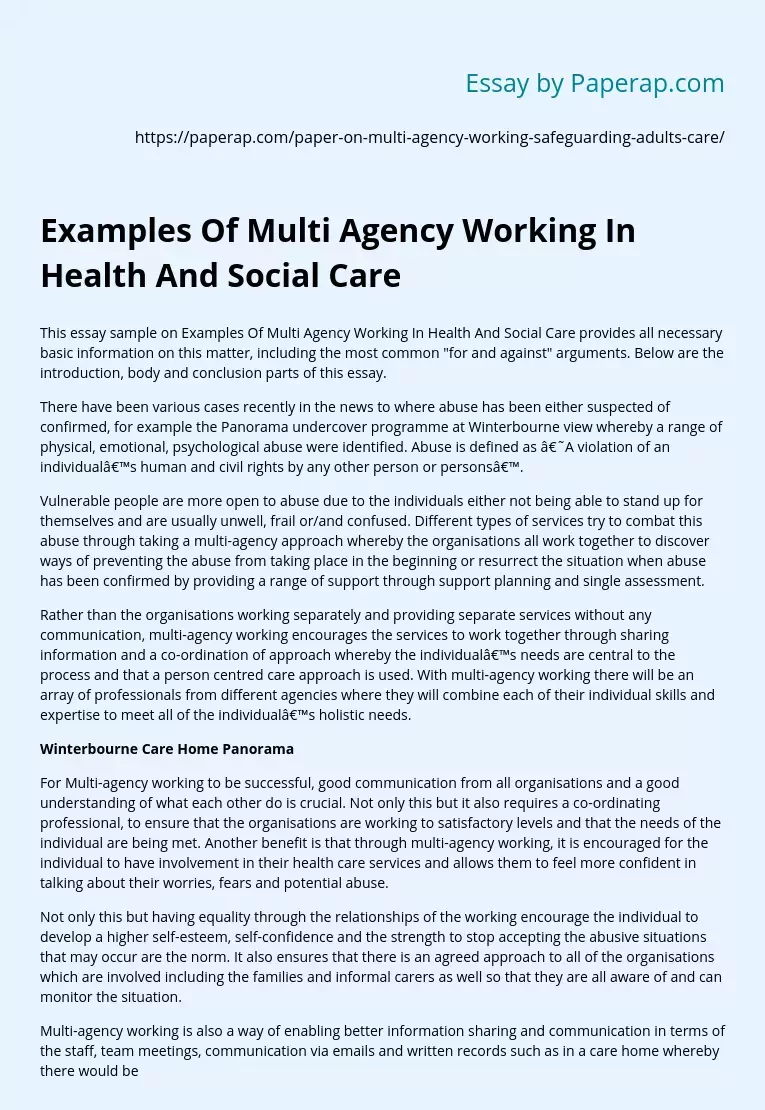
Multi Agency Working Examples. In some panels case work is carried out by panel members. As well as working together with carers and parents practitioners need to recognise that this should be taking place with multi agency working together also. Young people referred to the GIDS often prefer to be called a name other than their originally given name which they choose to better reflect their preferred gender and to be referred to using the accompanying pronouns. The organisations which are both paid and unpaid are joining forces to work more cooperatively towards the preventative of abuse and harm for vulnerable adults.
 Diagram Of Total Information Awareness System Designed By The Information Awareness Office Project Management Awareness Transactional Analysis From pinterest.com
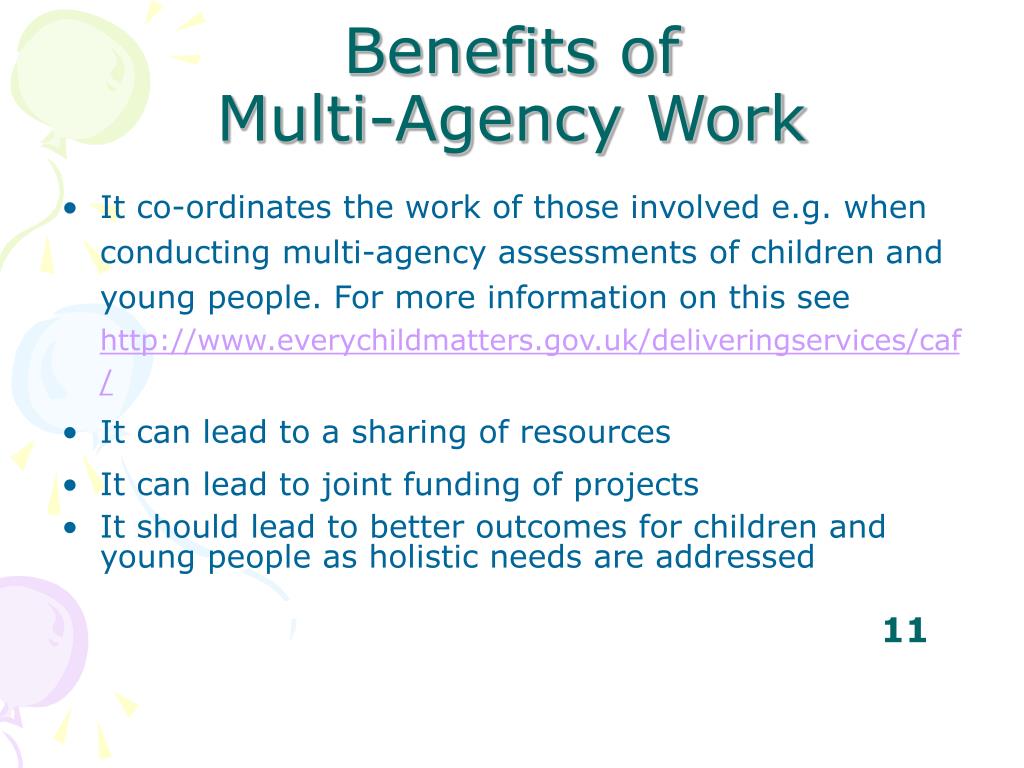
It also improves access to services which helps families early on and. In recent years multi-agency working has received much attention and has been the focus of some political agendas. The adoption of multi-agency working is a key component of the Governments agenda for the reconfiguration of childrens services. Multi-agency working provides benefits for children young people and families because they support in the most efficient way needs of the children and families are addressed more appropriately because of better quality services. Effective multi-agency working depends on four key areas. For more information please visit.
Children and their families will access a range of services throughout a childs life.
This is changing as major programmes are evaluated Atkinson et al 2002 states that other commonly identified outcomes of multi-agency work are an increase in access to services not previously available and therefore a wider range of services easier or quicker access to services or expertise improved educational attainment and better engagement in education. Collaborative Multi-Agency Working This chapter describes. Clarifying roles and responsibilities engendering trust mutual respect and understanding between agencies. It also improves access to services which helps families early on and. Models and examples of multi-agency working Given the range of reasons why agencies may wish to collaborate this section looks at examples of their collaboration and models of how this. This is changing as major programmes are evaluated Atkinson et al 2002 states that other commonly identified outcomes of multi-agency work are an increase in access to services not previously available and therefore a wider range of services easier or quicker access to services or expertise improved educational attainment and better engagement in education.
 Source: pinterest.com
Multi-agency working is also a way of enabling better information sharing and communication in terms of the staff team meetings communication via emails and written records such as in a care home whereby there would be a daily log which enables each staff coming on shift to be able aware of events that had taken place since they were last on duty. In recent years multi-agency working has received much attention and has been the focus of some political agendas. An advantage of working effectively in a multi-agency team improved services direct outcomes and prevention of child cases. Multi-agency working provides benefits for children young people and families because they support in the most efficient way needs of the children and families are addressed more appropriately because of better quality services. Qualitative methods were used involving individual interviews as well as focus groups with a total of 29.
 Source: pinterest.com
Multi-agency partnership working is where practitioners from more than one agency work together jointly sharing aims information tasks and responsibilities in order to intervene early to prevent problems arising which may impact on chil-drens learning and achievement. The adoption of multi-agency working is a key component of the Governments agenda for the reconfiguration of childrens services. Multi-agency working including fully integrated services multi-agency teams multi-agency panels Teams Around the Child TAC and locality teams. Collaborative Multi-Agency Working This chapter describes. For example the Governments Every Child Matters.
 Source: pinterest.com
Effective multi-agency working depends on four key areas. Multi-agency working is also a way of enabling better information sharing and communication in terms of the staff team meetings communication via emails and written records such as in a care home whereby there would be a daily log which enables each staff coming on shift to be able aware of events that had taken place since they were last on duty. Other panels take a more strategic role employing key. This is changing as major programmes are evaluated Atkinson et al 2002 states that other commonly identified outcomes of multi-agency work are an increase in access to services not previously available and therefore a wider range of services easier or quicker access to services or expertise improved educational attainment and better engagement in education. Although health and social services in Northern Ireland are jointly commissioned and delivered the recent emphasis in government policy on multi-agency working for people with learning.
 Source: pinterest.com
For more information please visit. A spectrum of multi-agency working was identified through the initial interviews with areas. Young people referred to the GIDS often prefer to be called a name other than their originally given name which they choose to better reflect their preferred gender and to be referred to using the accompanying pronouns. For example 90 per cent of primary and secondary schools surveyed accessed health social care and the police more than housing services which were accessed by only 41 per cent of primary schools and 50 per cent of secondary schools. Vulnerable adults receive a much more comprehensive form of care that covers all aspects of.
 Source: pinterest.com
For example 90 per cent of primary and secondary schools surveyed accessed health social care and the police more than housing services which were accessed by only 41 per cent of primary schools and 50 per cent of secondary schools. Qualitative methods were used involving individual interviews as well as focus groups with a total of 29. Effective multi-agency working depends on four key areas. The following examples illustrate the multi-agency work carried out at the GIDS. Its vital that practitioners work together to gain a full overview of a childs situation and have a co-ordinated approach to support.
 Source: pinterest.com
Young people referred to the GIDS often prefer to be called a name other than their originally given name which they choose to better reflect their preferred gender and to be referred to using the accompanying pronouns. Housing and social care were the two services which were considered to. A spectrum of multi-agency working was identified through the initial interviews with areas. An advantage of working effectively in a multi-agency team improved services direct outcomes and prevention of child cases. Multi-agency working is key to effective safeguarding and child protection Sidebotham et al 2016.
 Source: paperap.com
Qualitative methods were used involving individual interviews as well as focus groups with a total of 29. As well as working together with carers and parents practitioners need to recognise that this should be taking place with multi agency working together also. For example you could use our Harmful sexual behaviour HSB framework and audit tool to assess and. For example 90 per cent of primary and secondary schools surveyed accessed health social care and the police more than housing services which were accessed by only 41 per cent of primary schools and 50 per cent of secondary schools. This could be as part of a multidisciplinary team or on an ad hoc basis.
 Source: pinterest.com
The adoption of multi-agency working is a key component of the Governments agenda for the reconfiguration of childrens services. Qualitative methods were used involving individual interviews as well as focus groups with a total of 29. Young people referred to the GIDS often prefer to be called a name other than their originally given name which they choose to better reflect their preferred gender and to be referred to using the accompanying pronouns. Multi-agency working is also a way of enabling better information sharing and communication in terms of the staff team meetings communication via emails and written records such as in a care home whereby there would be a daily log which enables each staff coming on shift to be able aware of events that had taken place since they were last on duty. In childrens safeguarding services eg.
 Source: pinterest.com
Children and their families will access a range of services throughout a childs life. As well as working together with carers and parents practitioners need to recognise that this should be taking place with multi agency working together also. Settings will point parents in the right direction of other agencies which will benefit them these services are sometimes integrated together to offer a more effective care for the children. Multi-agency working is also a way of enabling better information sharing and communication in terms of the staff team meetings communication via emails and written records such as in a care home whereby there would be a daily log which enables each staff coming on shift to be able aware of events that had taken place since they were last on duty. Multi-agency working is key to effective safeguarding and child protection Sidebotham et al 2016.
 Source: pinterest.com
By working together agencies can use their strengths and individual specialised skills to the best advantage and issues can be dealt with at a far faster rate as the specified support required can be much more easily accessed through a multi-agency framework. For example you could use our Harmful sexual behaviour HSB framework and audit tool to assess and. Multi-agency partnership working is where practitioners from more than one agency work together jointly sharing aims information tasks and responsibilities in order to intervene early to prevent problems arising which may impact on chil-drens learning and achievement. Agencies represented within multi-agency safeguarding approaches often co-located or with virtual arrangements in place included local authorities children and adult services police health and probation. Clarifying roles and responsibilities engendering trust mutual respect and understanding between agencies.
 Source: slideserve.com
A web-based resource is available to support managers and practitioners in developing multi-agency working models providing working solutions and good practice examples. An advantage of working effectively in a multi-agency team improved services direct outcomes and prevention of child cases. This study examines multi-agency working from the perspective of social workers within an early intervention family support team. A web-based resource is available to support managers and practitioners in developing multi-agency working models providing working solutions and good practice examples. Multi-agency working provides benefits for children young people and families because they support in the most efficient way needs of the children and families are addressed more appropriately because of better quality services.
 Source: pinterest.com
Multi-agency working including fully integrated services multi-agency teams multi-agency panels Teams Around the Child TAC and locality teams. In childrens safeguarding services eg. A spectrum of multi-agency working was identified through the initial interviews with areas. With police and schools multi-agency safeguarding hubs with children who are looked after. In some panels case work is carried out by panel members.
 Source: pinterest.com
Its vital that practitioners work together to gain a full overview of a childs situation and have a co-ordinated approach to support. This study examines multi-agency working from the perspective of social workers within an early intervention family support team. Its vital that practitioners work together to gain a full overview of a childs situation and have a co-ordinated approach to support. With police and schools multi-agency safeguarding hubs with children who are looked after. As well as working together with carers and parents practitioners need to recognise that this should be taking place with multi agency working together also.
 Source: pinterest.com
Settings will point parents in the right direction of other agencies which will benefit them these services are sometimes integrated together to offer a more effective care for the children. By working together agencies can use their strengths and individual specialised skills to the best advantage and issues can be dealt with at a far faster rate as the specified support required can be much more easily accessed through a multi-agency framework. Effective multi-agency working depends on four key areas. Multi-agency working is about different services agencies and teams of professionals and other staff working together to provide the services that fully meet the needs of children young people and their parents or carers. Other panels take a more strategic role employing key.
 Source: pinterest.com
This could be as part of a multidisciplinary team or on an ad hoc basis. A spectrum of multi-agency working was identified through the initial interviews with areas. Benefit from multi-agency input. In some panels case work is carried out by panel members. Multi-agency partnership working is where practitioners from more than one agency work together jointly sharing aims information tasks and responsibilities in order to intervene early to prevent problems arising which may impact on chil-drens learning and achievement.
 Source: pinterest.com
Multi-agency working is about different services agencies and teams of professionals and other staff working together to provide the services that fully meet the needs of children young people and their parents or carers. Multi-agency partnership working is where practitioners from more than one agency work together jointly sharing aims information tasks and responsibilities in order to intervene early to prevent problems arising which may impact on chil-drens learning and achievement. This could be as part of a multidisciplinary team or on an ad hoc basis. A web-based resource is available to support managers and practitioners in developing multi-agency working models providing working solutions and good practice examples. Multi-agency working provides benefits for children young people and families because they support in the most efficient way needs of the children and families are addressed more appropriately because of better quality services.
 Source: pinterest.com
Young people referred to the GIDS often prefer to be called a name other than their originally given name which they choose to better reflect their preferred gender and to be referred to using the accompanying pronouns. For more information please visit. The organisations which are both paid and unpaid are joining forces to work more cooperatively towards the preventative of abuse and harm for vulnerable adults. Young people referred to the GIDS often prefer to be called a name other than their originally given name which they choose to better reflect their preferred gender and to be referred to using the accompanying pronouns. For example 90 per cent of primary and secondary schools surveyed accessed health social care and the police more than housing services which were accessed by only 41 per cent of primary schools and 50 per cent of secondary schools.
 Source: researchgate.net
In recent years multi-agency working has received much attention and has been the focus of some political agendas. Multi-agency working including fully integrated services multi-agency teams multi-agency panels Teams Around the Child TAC and locality teams. Multi-agency working provides benefits for children young people and families because they support in the most efficient way needs of the children and families are addressed more appropriately because of better quality services. For example the Governments Every Child Matters. Models and examples of multi-agency working Given the range of reasons why agencies may wish to collaborate this section looks at examples of their collaboration and models of how this.
This site is an open community for users to share their favorite wallpapers on the internet, all images or pictures in this website are for personal wallpaper use only, it is stricly prohibited to use this wallpaper for commercial purposes, if you are the author and find this image is shared without your permission, please kindly raise a DMCA report to Us.
If you find this site value, please support us by sharing this posts to your own social media accounts like Facebook, Instagram and so on or you can also bookmark this blog page with the title multi agency working examples by using Ctrl + D for devices a laptop with a Windows operating system or Command + D for laptops with an Apple operating system. If you use a smartphone, you can also use the drawer menu of the browser you are using. Whether it’s a Windows, Mac, iOS or Android operating system, you will still be able to bookmark this website.


