Your Non covalent bond examples images are ready in this website. Non covalent bond examples are a topic that is being searched for and liked by netizens today. You can Get the Non covalent bond examples files here. Find and Download all free photos and vectors.
If you’re looking for non covalent bond examples pictures information related to the non covalent bond examples topic, you have come to the ideal blog. Our website frequently gives you suggestions for seeing the maximum quality video and image content, please kindly search and locate more enlightening video content and graphics that fit your interests.
Non Covalent Bond Examples. Covalent compounds also are known as molecular compounds. Non-covalent interactions such as hydrogen bonds can also be used to design organochromium-containing network structures. Covalent bonding occurs between two non-metallic atoms characterized by the sharing of electron pairs between the atoms and other covalent bonds with electronegativity difference is greater than 20. For example the aliphatic thiol SH group within the side chain of cysteine specifically in its deprotonated form thiolate anion is an excellent nucleophile which can react with an electrophilic functional group in the inhibitor designed specifically to form a.
 Difference Between Teaching Chemistry Chemistry Classroom Chemistry Lessons From pinterest.com
A covalent bond forms between two non-metals by sharing electrons so an example could be Water H2O as it is formed by the share of electrons of hydrogen and oxygen which are both non-metals. 4 Single Covalent Bond Examples. Answer 1 of 4. The force between oppositely charged ionic groups on the two protein side chains is known as electrostatic forces Fig. Organic compounds such as carbohydrates lipids proteins and nucleic acids are all examples of molecular compounds. Covalent Bond Definition Types Properties Examples.
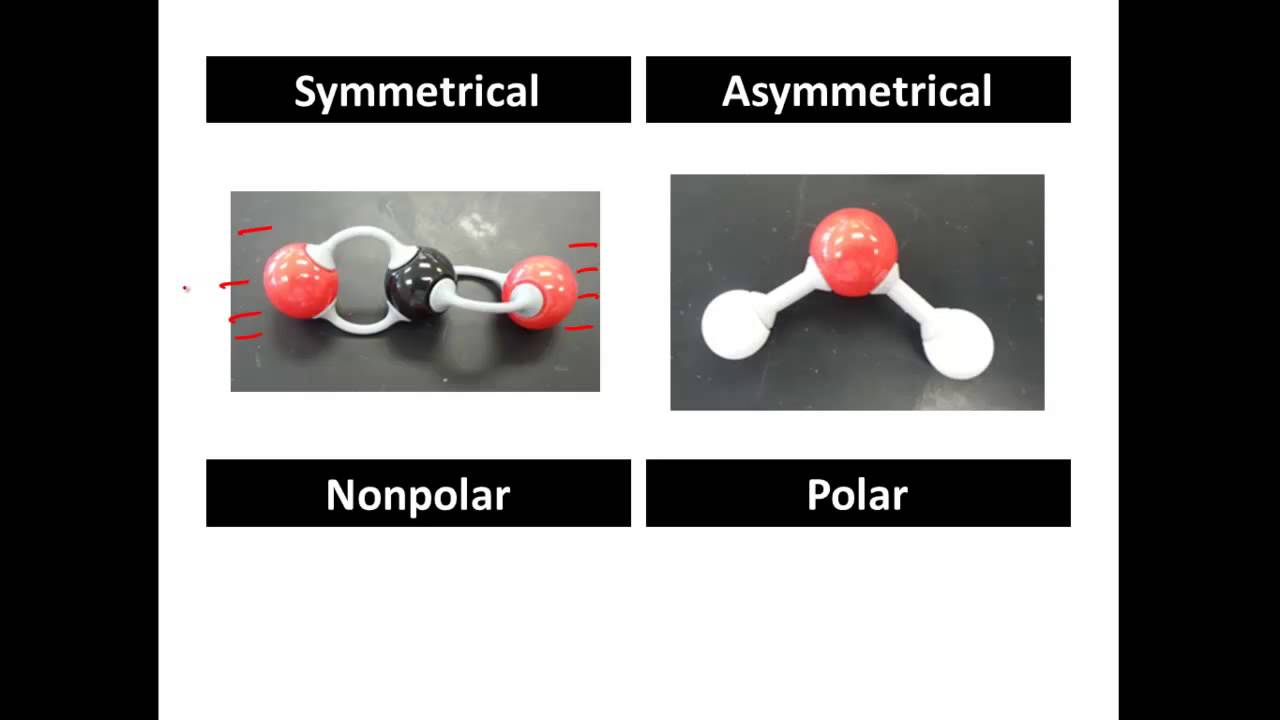
And another example of acovalent bond coud Carbon dioxide CO2.
In more simple words a nonpolar covalent bond is formed when atoms share an equal number of electrons between them. A covalent bond that has an equal sharing of electrons and the electronegativity difference is zero is called a nonpolar covalent bond. And another example of acovalent bond coud Carbon dioxide CO2. Covalent compounds also are known as molecular compounds. The sharing of bonding pairs will ensure that. Polar Covalent Bond When the electrons spend more time around the more non-metallic atom the sharing of the electron pair becomes unequal and results in the formation of polar covalent bonds.
 Source: br.pinterest.com
Covalent bonds are the most common and most important kind of bonding. A covalent bond that has an equal sharing of electrons and the electronegativity difference is zero is called a nonpolar covalent bond. If the electronegativity difference between the two atoms is between 05 and 20 the atoms form a polar covalent bond. In the case of covalent. The force between oppositely charged ionic groups on the two protein side chains is known as electrostatic forces Fig.
 Source: pinterest.com
There are four major types of chemical bonds. Nonpolar covalent bonds are very strong and they require a huge amount of energy to break the bond. The key difference between covalent and noncovalent bonds is that covalent bonds form when two atoms share their electrons with each other whereas noncovalent bonds form either by completely exchanging electrons between two atoms or by not exchanging any electron. Non-covalent interactions such as hydrogen bonds can also be used to design organochromium-containing network structures. If the electronegativity difference between the two atoms is between 05 and 20 the atoms form a polar covalent bond.
 Source: pinterest.com
Non-covalent interactions such as hydrogen bonds can also be used to design organochromium-containing network structures. Covalent bonds are chemical bonds between two non-metal atoms. And another example of acovalent bond coud Carbon dioxide CO2. Covalent Bond Definition Types Properties Examples. Covalent bonds are a type of bond that forms between atoms filling their last layer of valence and forming highly stable bonds.
 Source: pinterest.com
Polar Covalent Bond When the electrons spend more time around the more non-metallic atom the sharing of the electron pair becomes unequal and results in the formation of polar covalent bonds. Nonpolar covalent bonds are very strong and they require a huge amount of energy to break the bond. Covalent Bond Definition Types Properties Examples. CHEMICAL BONDING BookICSEBoardICSEYou can ask any dou. And another example of acovalent bond coud Carbon dioxide CO2.
 Source: pinterest.com
For example the aliphatic thiol SH group within the side chain of cysteine specifically in its deprotonated form thiolate anion is an excellent nucleophile which can react with an electrophilic functional group in the inhibitor designed specifically to form a. It is a bonding between atoms within a molecule and forms the strongest bonds anywhere. Covalent bonds are formed between non-metallic atoms of the same chemical element between non-metallic atoms of different elements with an electronegativity difference less than or equal to 17 and between a non-metal and hydrogen. And another example of acovalent bond coud Carbon dioxide CO2. The more electrons they share the stronger the bond will be.
 Source: pinterest.com
A covalent bond is formed when electrons from both participating atoms are shared equally. Some examples are. Organic compounds such as carbohydrates lipids proteins and nucleic acids are all examples of molecular compounds. When bond is formed by atoms by only sharing single pair of electrons between them it is termed as single covalent bond. The most common types of bonds are.
 Source: pinterest.com
A covalent bond that has an equal sharing of electrons and the electronegativity difference is zero is called a nonpolar covalent bond. A covalent bond forms between two non-metals by sharing electrons so an example could be Water H2O as it is formed by the share of electrons of hydrogen and oxygen which are both non-metals. Covalent bonds are formed between non-metallic atoms of the same chemical element between non-metallic atoms of different elements with an electronegativity difference less than or equal to 17 and between a non-metal and hydrogen. Organic compounds such as carbohydrates lipids proteins and nucleic acids are all examples of molecular compounds. Non-polar covalent bonds appear between two atoms of the same element or between different elements that equally share.
 Source: pinterest.com
Non-polar covalent bonds appear between two atoms of the same element or between different elements that equally share. CH 3 CH 2 OH - ethanol. A covalent bond that has an equal sharing of electrons and the electronegativity difference is zero is called a nonpolar covalent bond. In more simple words a nonpolar covalent bond is formed when atoms share an equal number of electrons between them. Another example of a nonpolar covalent bond is the bond between two chlorine atoms because they also equally share the electrons.
 Source: pinterest.com
Nonpolar Covalent Bond Definition. Non-polar covalent bonds appear between two atoms of the same element or between different elements that equally share. If the electronegativity difference between the two atoms is between 05 and 20 the atoms form a polar covalent bond. This bonds are created is by sharing electrons. Give one example for the followingA non-polar covalent compoundto Class10Subject.
 Source: pinterest.com
Polar Covalent Bond When the electrons spend more time around the more non-metallic atom the sharing of the electron pair becomes unequal and results in the formation of polar covalent bonds. PCl 3 - phosphorus trichloride. Nonpolar covalent bonds are very strong and they require a huge amount of energy to break the bond. The sharing of bonding pairs will ensure that. The examples of non-polar covalent bonds they include carbon dioxide ethane and hydrogen.
 Source: pinterest.com
Hydrochloric Acid It was first prepared by scientist Glauber by mixing salt common and sulphuric acid concentrated. Covalent Bond Definition Types Properties Examples. Non-covalent interactions such as hydrogen bonds can also be used to design organochromium-containing network structures. PCl 3 - phosphorus trichloride. 4 Single Covalent Bond Examples.
 Source: pinterest.com
The sharing of bonding pairs will ensure that. Non-polar covalent bonds appear between two atoms of the same element or between different elements that equally share. Covalent bonds are a type of bond that forms between atoms filling their last layer of valence and forming highly stable bonds. It is a bonding between atoms within a molecule and forms the strongest bonds anywhere. In more simple words a nonpolar covalent bond is formed when atoms share an equal number of electrons between them.
 Source: pinterest.com
CO_2 O_2 CH_3 DNA non-polar amino acids Covalent bonds are common in the molecules of living organisms. Hydrochloric Acid It was first prepared by scientist Glauber by mixing salt common and sulphuric acid concentrated. Covalent bonding occurs between two non-metallic atoms characterized by the sharing of electron pairs between the atoms and other covalent bonds with electronegativity difference is greater than 20. Non-polar covalent bonds appear between two atoms of the same element or between different elements that equally share. 4 Single Covalent Bond Examples.
 Source: pinterest.com
And another example of acovalent bond coud Carbon dioxide CO2. Covalent bonds are a type of bond that forms between atoms filling their last layer of valence and forming highly stable bonds. The examples of non-polar covalent bonds they include carbon dioxide ethane and hydrogen. You can recognize these compounds because they consist of nonmetals bonded to each other. All three forms of noncovalent interactions are individually weak on the order of 5 kcalmole as compared with a covalent bond with its 90100 kcalmole of bond energyAnd what strength these interactions do have requires that the interacting groups can approach each other closely an angstrom or.
Source: pinterest.com
If the electronegativity difference between the two atoms is between 05 and 20 the atoms form a polar covalent bond. Hydrogen Molecule H2 is a non-polar covalent bond example as an electron pair is equally shared between the two hydrogen atoms. Noncovalent interactions are individually weak but collectively strong. Covalent bonds are formed between non-metallic atoms of the same chemical element between non-metallic atoms of different elements with an electronegativity difference less than or equal to 17 and between a non-metal and hydrogen. Some single covalent bond examples are discussed below.
 Source: pinterest.com
The key difference between covalent and noncovalent bonds is that covalent bonds form when two atoms share their electrons with each other whereas noncovalent bonds form either by completely exchanging electrons between two atoms or by not exchanging any electron. A covalent bond forms between two non-metals by sharing electrons so an example could be Water H2O as it is formed by the share of electrons of hydrogen and oxygen which are both non-metals. When bond is formed by atoms by only sharing single pair of electrons between them it is termed as single covalent bond. For example the aliphatic thiol SH group within the side chain of cysteine specifically in its deprotonated form thiolate anion is an excellent nucleophile which can react with an electrophilic functional group in the inhibitor designed specifically to form a. Ammonium Chloride NH4Cl is a coordinate covalent bond example where both electrons required for bonding are supplied by the same atom.
 Source: pinterest.com
Non-polar covalent bonds appear between two atoms of the same element or between different elements that equally share. It is a bonding between atoms within a molecule and forms the strongest bonds anywhere. A covalent bond is formed when electrons from both participating atoms are shared equally. Covalent compounds also are known as molecular compounds. 4 Single Covalent Bond Examples.
 Source: pinterest.com
4 Single Covalent Bond Examples. Covalent bonds ionic bonds hydrogen. An extreme difference forms an ionic bond while a lesser difference forms a polar covalent bond. Inter-molecular forces of non-covalent bond between antigen and antibody is divided into four basic types. Non-polar covalent bonds appear between two atoms of the same element or between different elements that equally share.
This site is an open community for users to share their favorite wallpapers on the internet, all images or pictures in this website are for personal wallpaper use only, it is stricly prohibited to use this wallpaper for commercial purposes, if you are the author and find this image is shared without your permission, please kindly raise a DMCA report to Us.
If you find this site beneficial, please support us by sharing this posts to your own social media accounts like Facebook, Instagram and so on or you can also save this blog page with the title non covalent bond examples by using Ctrl + D for devices a laptop with a Windows operating system or Command + D for laptops with an Apple operating system. If you use a smartphone, you can also use the drawer menu of the browser you are using. Whether it’s a Windows, Mac, iOS or Android operating system, you will still be able to bookmark this website.


